New Delhi, India (Default) [Choose your location]

Govardhan Puja
Back to festival calendar
Major On 02 Nov 2024

Govardhan Puja

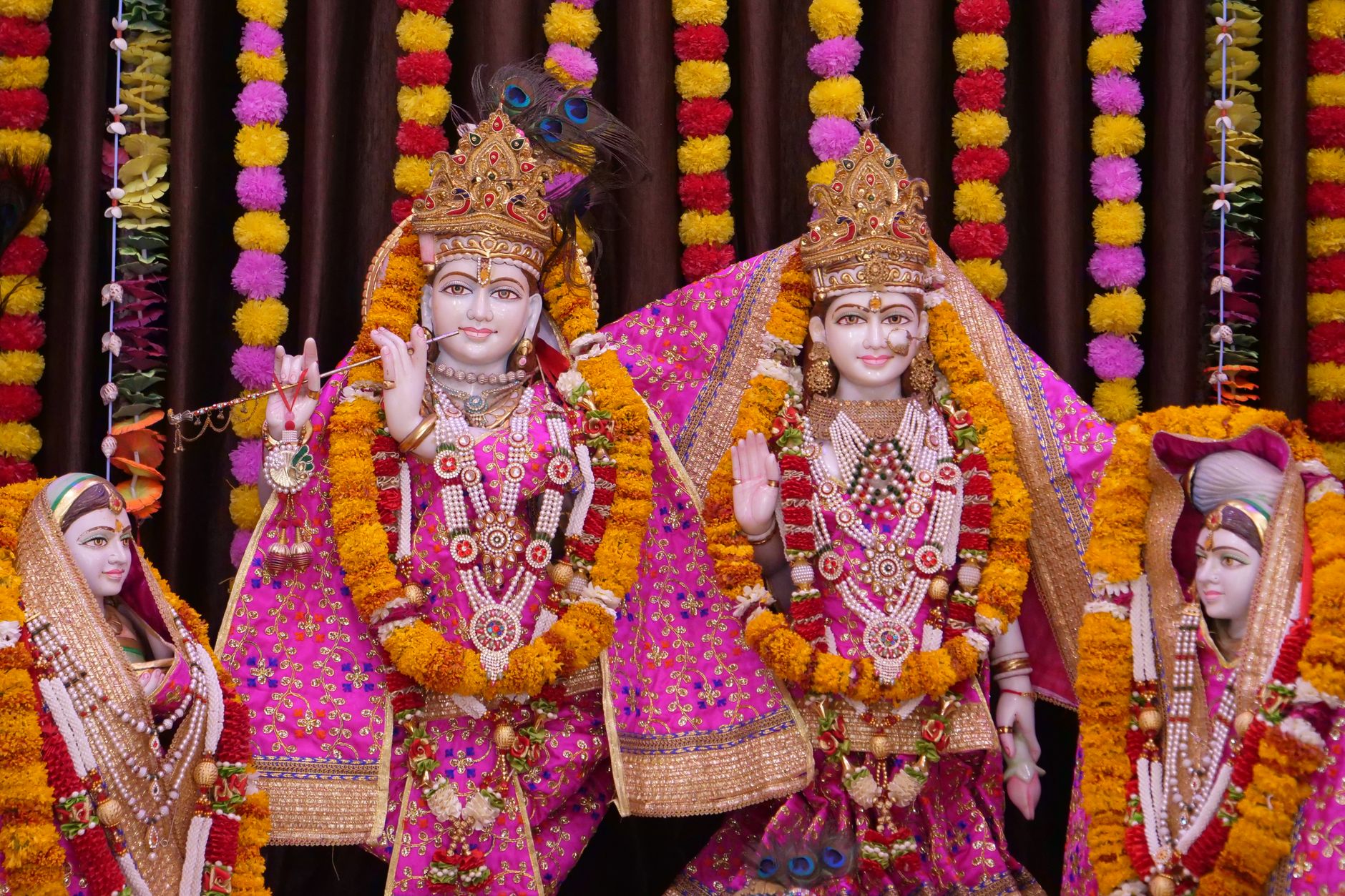
Commemorates Lord Krishna lifting the Govardhan hill to protect villagers from torrential rains.

How this date was decided

Confidence: Medium First pass
Anchor tithi
Kartik · Shukla Paksha · Pratipada (Purnimanta)
Karmakala named by the rule
Pratah
Observance window
06:34 – 08:46

Why this day

Pratipad lasts at least nine muhurtas after sunrise on the second day, so the whole observance is kept on the second day.

Sources

Basis of the decision (scriptural passage)

Nirnayasindhu (with the Hindi Setu tika) — p. 301 (leaf n346)

तदेतत्पूर्वविद्धप्रतिपदि कर्तव्यम् । "पूर्वविद्धा प्रकर्तव्या शिवरात्रिर्बलेर्दिनम्" इति हेमाद्रौ पाद्मोक्तेः । माधवोपि 'बल्युत्सवं च पूर्वेद्युरुपवासवदाचरेत्' इति । निर्णयामृतेपि-"या कुहूः प्रतिपन्मिश्रा तत्र गाः पूजयेन्नृप । पूजनात्त्रीणि वर्धन्ते प्रजा गावो महीपतिः" इति । … "प्रतिपद्दर्शसंयोगे क्रीडनं तु गवां मतम् । परविद्धेषु यः कुर्यात्पुत्रदारधनक्षयः" इति देवलवचनाच्च ॥

Quoted from: "हेमाद्रौ पाद्मोक्तेः"; "माधवः"; "निर्णयामृते"; "देवलवचनात्".

Hindi meaning
बलि-पूजा और गो-क्रीडा अमावस्या से विद्ध प्रतिपदा में करें, क्योंकि शिवरात्रि और बलि का दिन पूर्वविद्ध ही लेने कहे हैं। प्रतिपदा-अमावस्या के योग में गो-क्रीडा उचित है। द्वितीया-विद्ध में करने से पुत्र, स्त्री और धन का नाश होता है।
English meaning
Do the Bali festival and cow-worship on the pratipad pierced by the preceding amāvāsyā ("Śivarātri and Bali's day are to be pūrva-viddha"). "Cow-sport is approved at the pratipad–new-moon junction; whoever does it on the para-viddha (dvitīyā-joined) day loses sons, wife and wealth."

Differs from Dharmasindhu

Different. DS adds an exception: if pratipad on the udaya day lasts at least about 9 muhūrtas after sunrise, everything goes to D2. That exception is not stated on this page of NS. NS's text here is plain pūrva-viddhā. Whether NS carries that exception on the next leaf (n347) is unchecked.

Reading confidence: high Read from the scan page image

Dharmasindhu — p. 92 (leaf n119)

तत्रयदिउदयंव्याप्यदशमुहूर्ताप्रतिपत्तदाचन्द्रदर्शनाभावाच्चन्द्रदर्शनप्रयुक्तद्वितीयावेधनिषेधाप्रवृत्तेःसर्वकार्याणिपरप्रतिपद्येवभवन्ति
इष्टिनिर्णयप्रकरणेत्रिमुहूर्तद्वितीयाप्रवेशमात्रेणचन्द्रदर्शनमुक्तंतत्सूक्ष्मदर्शनाभिप्रायम् अत्रतुस्थूलदर्श[?]मेवनिषेधप्रयोजकं तच्चषण्मुहूर्तद्वितीयाप्रवेशएवेतिनविरोधइतिभाति
यदिनवमुहूर्तानास्तितदाबलिपूजागोक्रीडागोवर्धनपूजामार्गपालीवन्धनवष्टिकाकर्षणानिपूर्वविद्धप्रतिपदिकार्याणि

Some characters are unclear [?]

Hindi meaning
यदि प्रतिपदा सूर्योदय से दस मुहूर्त तक रहे, तो चन्द्रदर्शन न होने से (चन्द्रदर्शन पर आधारित) द्वितीया-वेध का निषेध लागू नहीं होता और सब कार्य अगली प्रतिपदा में ही होते हैं; यह सामान्य कथन है। इष्टि-निर्णय प्रकरण में द्वितीया के तीन मुहूर्त प्रवेश मात्र से चन्द्रदर्शन कहा गया है, वह सूक्ष्म दर्शन के अभिप्राय से है; यहाँ स्थूल दर्शन ही निषेध का कारण है, और वह द्वितीया के छह मुहूर्त प्रवेश पर ही होता है, इसलिए विरोध नहीं है, ऐसा प्रतीत होता है। अतः यदि (प्रतिपदा के) नौ मुहूर्त न हों, तो बलिपूजा, गोक्रीडा, गोवर्धनपूजा, मार्गपाली-बन्धन और वष्टिका-कर्षण पूर्वविद्ध प्रतिपदा में करें।
English meaning
If pratipad pervades sunrise for ten muhūrtas, there is no moon-sighting, so the prohibition of dvitīyā-vedha (which rests on moon-sighting) does not apply, and all rites fall on the later pratipad; this is the general statement. The iṣṭi-nirṇaya section says the moon is seen once dvitīyā has entered by only three muhūrtas; that refers to fine (sūkṣma) sighting. Here only gross (sthūla) sighting prohibits, and that needs dvitīyā to have entered by six muhūrtas, so there is no contradiction. Hence: if nine muhūrtas (of pratipad) are not present, Bali-pūjā, go-krīḍā, Govardhana-pūjā, mārgapālī-bandhana and vaṣṭikā-karṣaṇa are done on the pūrva-viddha pratipad.

Reading confidence: high Read from the scan page image

Computed for New Delhi · Decision profile: Smarta (Dharmasindhu)

Smarta (Dharmasindhu) is a first pass and is still being verified against published almanacs.

Why it matters

Celebrated the day after Diwali with offerings of food mountains (annakut) symbolizing gratitude to nature.

Story & Vrat Katha

Govardhan Puja

Story

Govardhan Puja, observed the day after Diwali, recalls how the young Krishna lifted the great Govardhan hill on his little finger to shelter the people and cattle of Vrindavan from torrential rains sent by an angry Indra. For seven days they sheltered beneath it, until Indra, humbled, accepted Krishna's divinity. Devotees build a mountain of food (annakut) and offer it to the Lord in gratitude for nature's sustenance. The katha of Govardhan Puja is usually heard in a devotional mood rather than as ordinary history. Elders explain the narrative, children learn the symbols, and the household connects the festival with the deity, season, tithi, nakshatra, or solar movement that gives it its sacred timing. In this way the festival becomes a bridge between scripture, family memory, and the rhythm of the Hindu calendar.

Importance

Celebrated the day after Diwali with offerings of food mountains (annakut) symbolizing gratitude to nature. Govardhan Puja is important because it gives devotees a fixed sacred pause in the year. Work, travel, and routine are softened so that the mind can return to worship, gratitude, self-control, and service. The festival also keeps regional traditions alive: temple darshan, lamps, flowers, food offerings, vrata-katha listening, gifts to brahmins or the needy, and respectful remembrance of ancestors or deities, according to the nature of the observance. Even when customs differ from one region to another, the inner intention remains the same: to align the household with dharma and to make the day spiritually fruitful.

Vrat Method

The vrat may begin in the morning after bath and purification of the place of worship. Devotees take a sankalpa by remembering the date, place, family lineage when customary, and the purpose of observing Govardhan Puja. The altar is arranged with a clean cloth, lamp, incense, water, flowers, fruits, and the image or symbol of the presiding deity. One should recite the relevant mantra, stotra, chalisa, sahasranama, or festival katha according to family tradition. Where a strict fast is not part of family custom, the day may still be observed with a simple sankalpa, sattvic food, prayer, charity, and respectful participation in temple or household worship. Many devotees keep a full fast, fruit fast, milk-and-fruit fast, or one sattvic meal, depending on health, age, pregnancy, medicines, and local custom. The observance should not become harsh pride; compassion, steadiness, and truthfulness are more important than display. In the evening, the worship is completed with arati, naivedya, charity, and prayers for forgiveness of mistakes. If the festival has a moonrise, sunrise, pradosh, madhyahna, nishita, or temple-specific timing, that period should be preferred.

Spiritual Benefits

The spiritual benefit of Govardhan Puja is the refinement of intention. Fasting disciplines the senses, mantra steadies speech, worship gives direction to emotion, and charity converts personal celebration into shared merit. The devotee learns patience, gratitude, humility, and trust in divine order. Repeated annual observance also builds samskara: the mind begins to associate this season and lunar or solar marker with prayer rather than distraction. For families, the day transmits values without argument. For individual sadhakas, it becomes a reminder to reduce excess, forgive old bitterness, honour teachers and elders, and renew commitment to right conduct.

Astrological Significance

In Jyotish, Govardhan Puja is not chosen at random. It is resolved through Shukla Paksha Pratipada of the Kartik lunar month, so the lunar month and tithi both shape the observance. The tithi shows the angular relationship of the Moon and Sun, revealing the emotional and karmic tone of the day. The paksha shows whether lunar light is increasing or decreasing, and the nakshatra, when used, adds a finer psychological and devotional quality. Sankranti-based festivals emphasize the Sun's movement through the zodiac and are especially connected with renewal, direction, authority, health, and seasonal transition. A location-aware Panchang should be used because sunrise, moonrise, tithi ending, nakshatra ending, and local time zone can shift the practical observance from one civil date to another.

FAQ

Can Govardhan Puja be observed at home? +

Yes. A clean altar, sincere sankalpa, mantra, katha, simple offering, and charity are enough when temple worship is not possible.

Is fasting compulsory? +

Follow family tradition and personal health. A sattvic diet with restraint is better than an unsafe fast.

Which Panchang should be followed? +

Use a Panchang calculated for your city, because festival timing depends on local sunrise, moonrise, and tithi or nakshatra boundaries.

What is the simplest useful practice? +

Bathe, light a lamp, remember the deity or sacred theme of the festival, read the katha, offer food, give charity, and close with arati and prayer.