Story
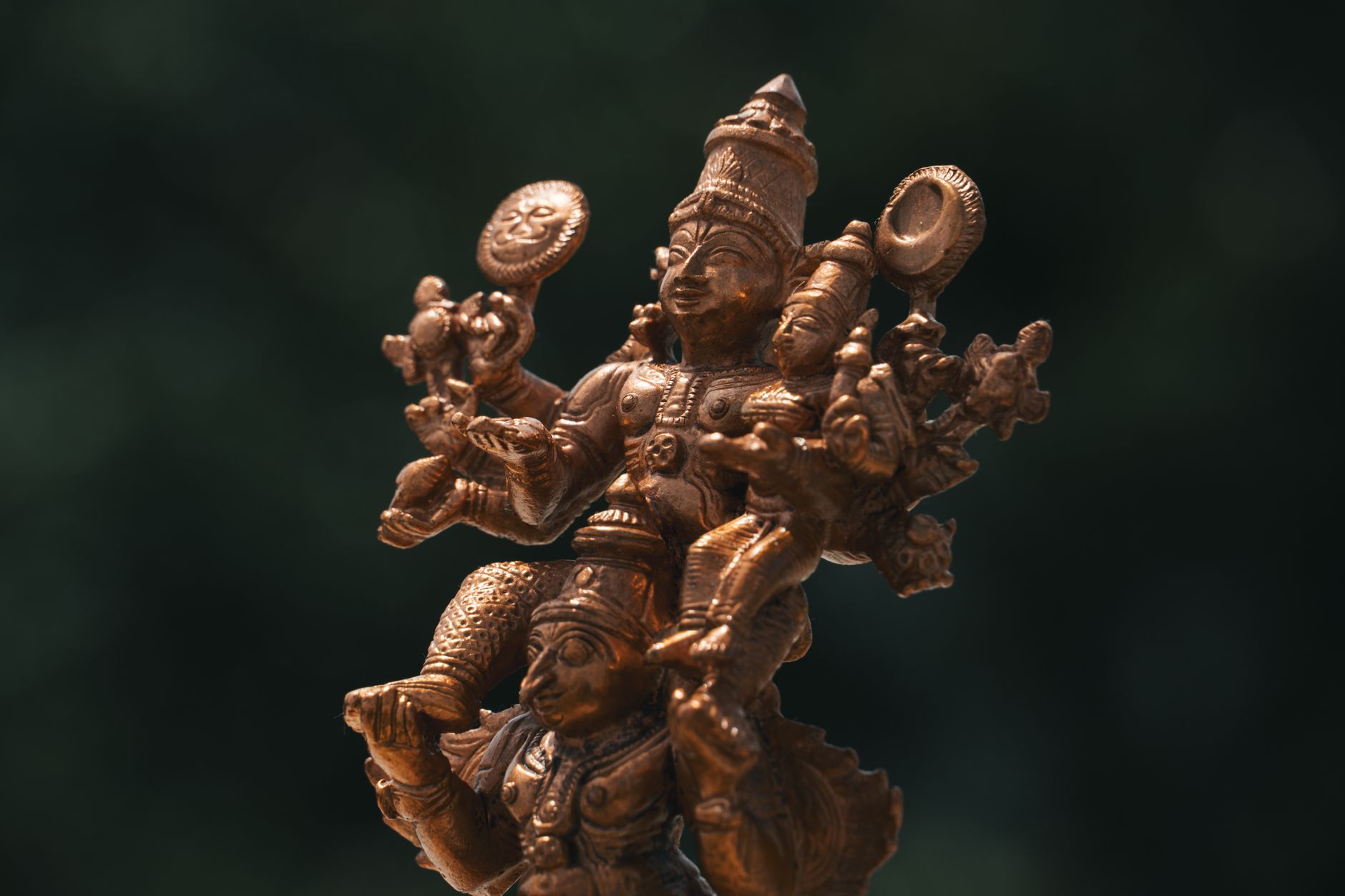
The demon king Hiranyakashipu won a boon that he could not be killed by man or beast, by day or night, indoors or outdoors, on the ground or in the sky, by any weapon. Made arrogant, he tormented his own son Prahlad for his unwavering devotion to Vishnu. When Prahlad declared that the Lord was present even in a pillar, Vishnu burst forth as Narasimha—half-man, half-lion—at dusk, neither day nor night. On the threshold, neither inside nor outside, he placed the demon on his lap, neither earth nor sky, and tore him apart with his claws, no weapon at all, thus honouring every condition of the boon and saving his devotee. The katha of Narasimha Jayanti is usually heard in a devotional mood rather than as ordinary history. Elders explain the narrative, children learn the symbols, and the household connects the festival with the deity, season, tithi, nakshatra, or solar movement that gives it its sacred timing. In this way the festival becomes a bridge between scripture, family memory, and the rhythm of the Hindu calendar.